Timing belt or timing chain sounds like a trivia question until the bill for guessing wrong arrives. Both do the same job, keeping the crankshaft and camshafts turning together so valves and pistons take turns instead of colliding. The difference is maintenance. A belt is a scheduled replacement item with a hard deadline. A chain is built to last the life of the engine, until the day it sometimes does not. Shelby drivers need to know which one their engine has before the mileage decides for them.
Work through this checklist in order. Each line tells you what to look at and what counts as a pass or a problem.
The working checklist
Belt or chain: find out where you stand
- Identify what your engine uses. Look it up by exact engine, not just model, since the same car can carry either. Pass: you know for certain. Fail: you are guessing from the badge.
- Find the belt interval if you have a belt. Pass: you know the mileage and age limit from the manual. Fail: no record of a previous change on a car past the interval.
- Check service records for a past belt job. Pass: a dated record that also lists the water pump and tensioner where they are driven or disturbed. Fail: a receipt that says belt only on a high-mile engine.
- Listen on a cold start if you have a chain. Pass: a brief normal start with no rattle. Fail: a second or two of rattling before oil pressure builds, a classic sign of a worn tensioner or stretched chain.
- Watch for chain warnings. Fail signs: a check-engine light with camshaft timing codes, rough running that comes with those codes, or metal glitter in drained oil.
- Inspect a belt where access allows. Fail: cracks across the ribs, frayed edges, glazing, or teeth that look rounded. Many belts hide under covers, so absence of a view is not a pass.
- Note oil leaks near the front of the engine. Fail: oil reaching a belt, which degrades rubber and shortens its life well ahead of the printed interval.

Interference engines: why the deadline is hard
In an interference engine, the pistons and valves share space at different moments. If the belt breaks or jumps, the timing that kept them apart disappears and pistons strike open valves. The result is bent valves and internal engine damage that turns a maintenance job into an engine job. In a non-interference engine, a broken belt leaves you stalled but usually undamaged. Most modern belt-driven engines are the interference type, which is why the manual interval should be treated as a wall, not a suggestion.
Age matters alongside mileage. Rubber degrades with heat cycles and time, so a low-mileage Shelby car that sat for years can still be overdue by the calendar. When records are missing on a used car with a belt, the safe assumption is that it has not been done.
Chains are long-lived, not immortal
A timing chain runs in engine oil and typically lasts far longer than a belt, with no scheduled replacement in most manuals. Its weak points are the supporting cast: hydraulic tensioners that depend on clean oil and good pressure, and plastic guides that wear over high miles. Skipping oil changes is the fastest way to shorten a chain system life, because the tensioner is fed by the same oil you neglected.
Chain work, when it comes, is labor-heavy because the front of the engine comes apart. That is why the cold-start rattle on the checklist deserves prompt attention. A tensioner and guides addressed early are a contained job. A chain that jumps timing is not.
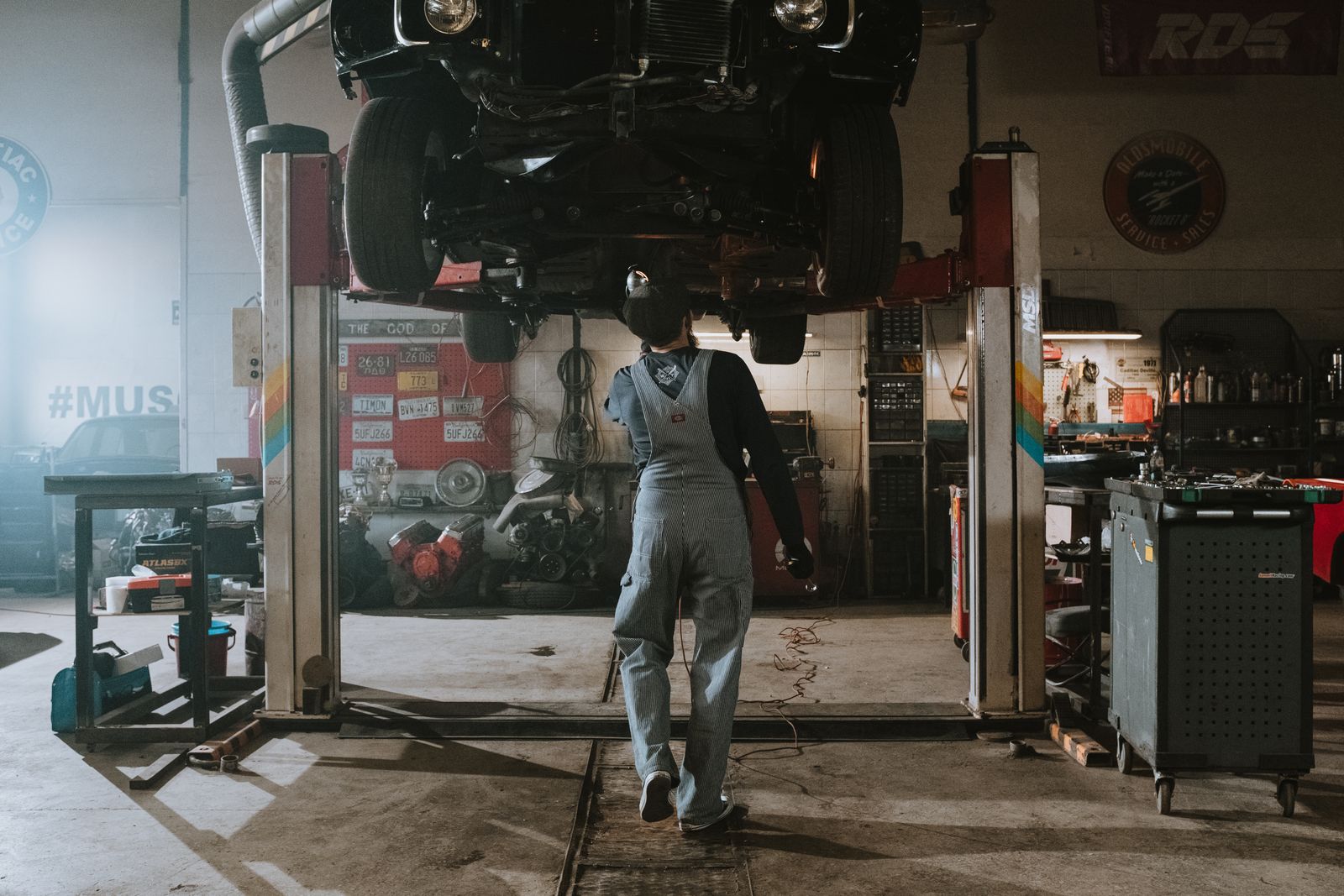
At Inspection Uptown 66 in Shelby, auto repair sits alongside oil changes and state inspections, so the belt-versus-chain question fits naturally into a regular service visit. Bring your manual or your VIN, find out which system you own, and write the answer in your records. That one fact changes how you plan the next several years of maintenance.
Common questions
Can I tell by looking whether I have a belt or a chain?
Sometimes. A wide plastic cover on the front of the engine usually hides a belt, while a metal cover suggests a chain. Confirm by engine code or manual, not by guessing.
Should the water pump be replaced with the timing belt?
On engines where the belt drives the pump, usually yes. The labor overlaps almost completely, and a pump failure afterward would mean paying that labor twice.
My chain rattles only for a second on cold starts. Is that normal?
A brief sound can be pressure building, but a new or lengthening rattle deserves inspection. Tensioner and guide wear caught early is far cheaper than a jumped chain.
Photos in this guide are representative stock images.
← All guides from Inspection Uptown 66← Back to Inspection Uptown 66