Most vacation breakdowns are not random. They are small, findable problems that chose the worst week to finish failing: the belt that was cracked in Shelby lets go two states away, the tire with the slow leak gives up in a town where you know nobody. A pre-trip check works like troubleshooting in reverse. Instead of starting from a symptom on the road, you hunt for the symptoms at home while they are still cheap.
An hour is about right. Here is how to spend it, system by system, ending with the clear line between what you fix in the driveway and what goes to a shop before you leave.
Start where road failures start: tires
- Check pressures cold on all five tires. Four on the car plus the spare, set to the door jamb figure. A spare found flat at home is a five-minute fix. Found on the shoulder, it is a tow.
- Read the tread and sidewalls. Look for nails, cuts, bulges, and one-edge wear. A bulge means the tire structure is damaged and that tire does not take the trip.
- Follow the symptom logic on wear. Center wear points to overinflation, edge wear to underinflation, one-side wear to alignment, and cupping to worn suspension or balance problems. Each pattern names its cause.
- Move through fluids next. Engine oil level and condition, coolant in the reservoir, brake fluid, power steering where fitted, transmission fluid where a dipstick exists, and washer fluid to full.
- Inspect belts and hoses with a flashlight. Cracks, glazing, fraying, or a hose that feels mushy or crunchy fails the check. Squeeze hoses cold and look for white or colored residue that marks a dried leak.
- Test brakes by feel and sound. A firm pedal, no grinding or squealing, and no pull during a firm stop on a quiet street. Any doubt here is a shop item, not a judgment call.
- Run the lights, wipers, and air conditioning. Every bulb working, blades sweeping clean, and cold air at idle. A weak battery test belongs on this list too if cranking has sounded slow.
- Finish with the trunk audit. Jack, wrench, wheel-lock key, jumper cables or a pack, flashlight, and a charger. Gear you cannot find at home will not appear on the road.
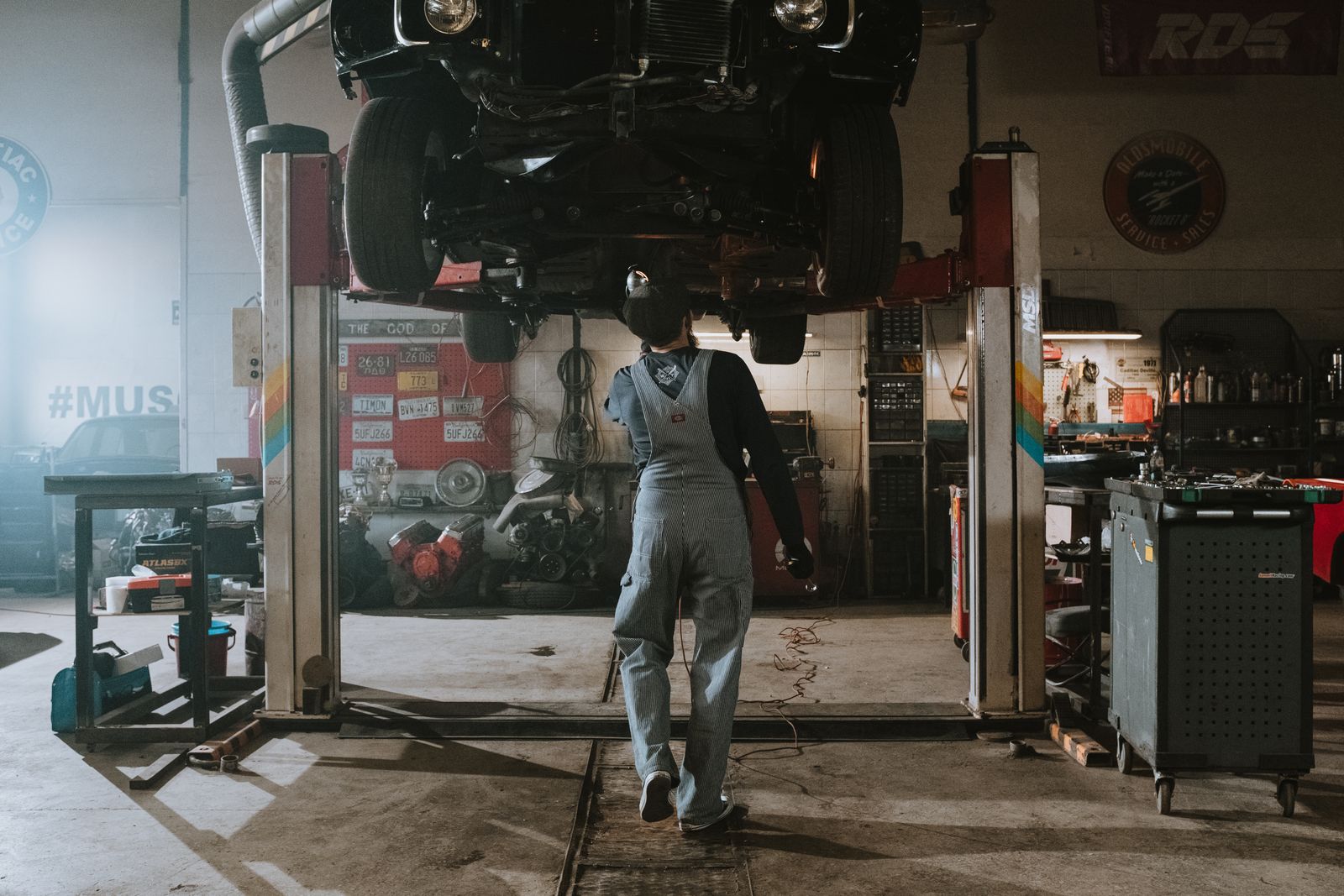
Symptoms you may find, and what they usually mean
A coolant reservoir that needs topping every few weeks means coolant is leaving, even if the driveway stays dry. That pattern points to a slow leak or, less commonly, an internal one, and it should be pressure-tested before a long hot drive, not topped and trusted. An oil level that drops between checks has the same logic: find the rate, find the source, then decide.
A vibration that appears only in a highway speed band usually traces to wheel balance or a tire defect, both fixable in Shelby and miserable to live with for a thousand miles. A pull under braking points to a brake or tire issue, not a personality trait of the car. The troubleshooting habit is the same in every case: symptom first, likely cause second, repair before departure third.
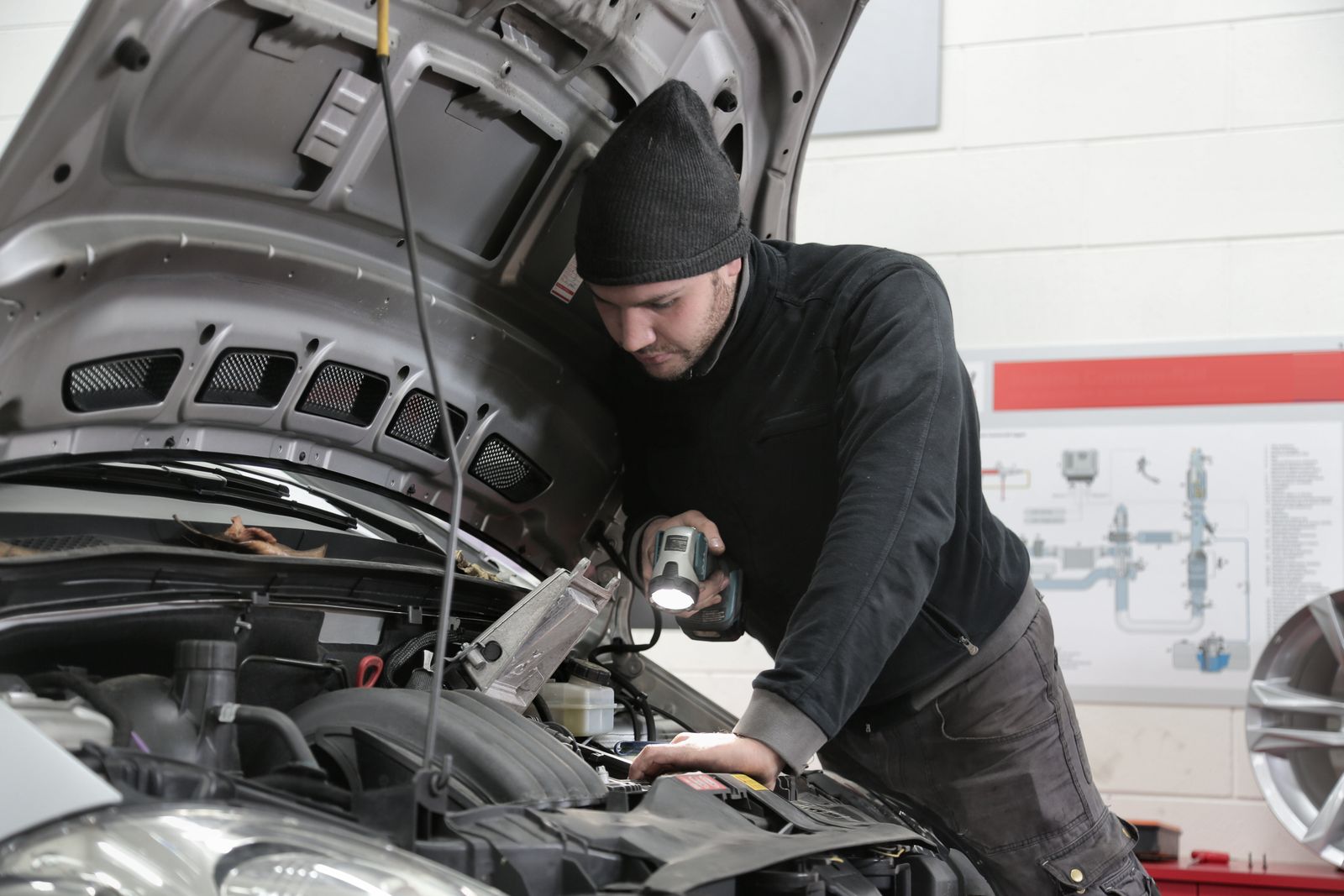
The professional line
Do the driveway items yourself: pressures, levels, lights, and the trunk audit. Hand these to a shop: any brake doubt, any leak you cannot source, a battery that tests weak, worn tires, and anything under the car you cannot see without a lift. A professional pre-trip inspection at a place like Inspection Uptown 66 in Shelby puts the car up, measures brake wear, tests the battery and charging system, and checks the steering and suspension pieces a driveway look cannot reach.
Schedule it a week before departure, not the day before. That gap is the whole strategy. It leaves time to order a part, replace a tire, or fix a leak without turning the repair into a departure-day emergency, and it lets you road-test the finished car on local miles before the real trip starts.
Common questions
How far before a trip should I get the car checked?
About a week out is ideal. It leaves time to fix what the check finds and to drive locally afterward, confirming the car feels right before the long miles.
Is a pre-trip check worth it for a newer car?
Yes, though it is usually shorter. Tires, fluids, battery health, and the spare still fail on newer cars, and those are exactly the items the check covers.
What is the single most skipped item?
The spare tire. It sits unchecked for years and is flat in a large share of cars. Checking it takes two minutes and prevents the double-stranding no driver wants.
Photos in this guide are representative stock images.
← All guides from Inspection Uptown 66← Back to Inspection Uptown 66