Worn shocks and struts rarely announce themselves with a bang. They fade, and the driver adapts, until the clues pile up: the extra bounce after a dip, the tires wearing in scallops, the nose of the car diving every time traffic slows on a Shelby commute. Choosing what to do about it is a decision with real branches, and the right branch depends on how the wear shows, how you use the car, and how long you plan to keep it.
This guide works as a decision aid. Match your situation to the options below, rather than treating replacement as a yes-or-no question with one answer for every car.
First, confirm the wear is real
Push down firmly on each corner of the parked car and release. A corner that bounces more than once or twice extra has a tired damper. Feel the tire tread with your palm for cupping, a washboard pattern that means the tire has been bouncing against the road. Look for oil weeping down the damper body, and note handling changes: floating at highway speed, leaning in turns, squatting on acceleration, and diving under braking.
One symptom alone can mislead. A bounce plus cupped tires plus a leak is a pattern, and patterns are what decisions should rest on. A shop check on a lift adds mount condition, bushing wear, and a road test to confirm which corner or axle is responsible.
The decision table
| Your situation | Sensible choice | Reasoning |
|---|---|---|
| One damper leaking, car otherwise tight, moderate miles | Replace the pair on that axle | Matched damping side to side keeps handling even; the other side is the same age |
| Cupped tires and clear bounce on both axles | Replace all four corners, then align | Wear this broad means the whole system is tired, and new tires need good dampers to survive |
| Mild float, no leaks, no tire damage, high-mile car you plan to sell soon | Monitor with a check at each rotation | The safety margin remains, and the next owner can decide. Disclose honestly if asked |
| Nose-dive and long stops, family car in daily use | Replace promptly, at least the front axle | Braking stability is the issue here, not comfort. Front struts carry the braking load transfer |
| Worn strut mounts or bearings found with worn struts | Replace mounts with the struts | The labor overlaps. Paying to reopen the assembly later for a mount doubles the work |
| Symptoms traced to tires or alignment instead | Fix the actual cause, keep the dampers | Not every float or wear pattern is a damper fault. Confirm before spending |
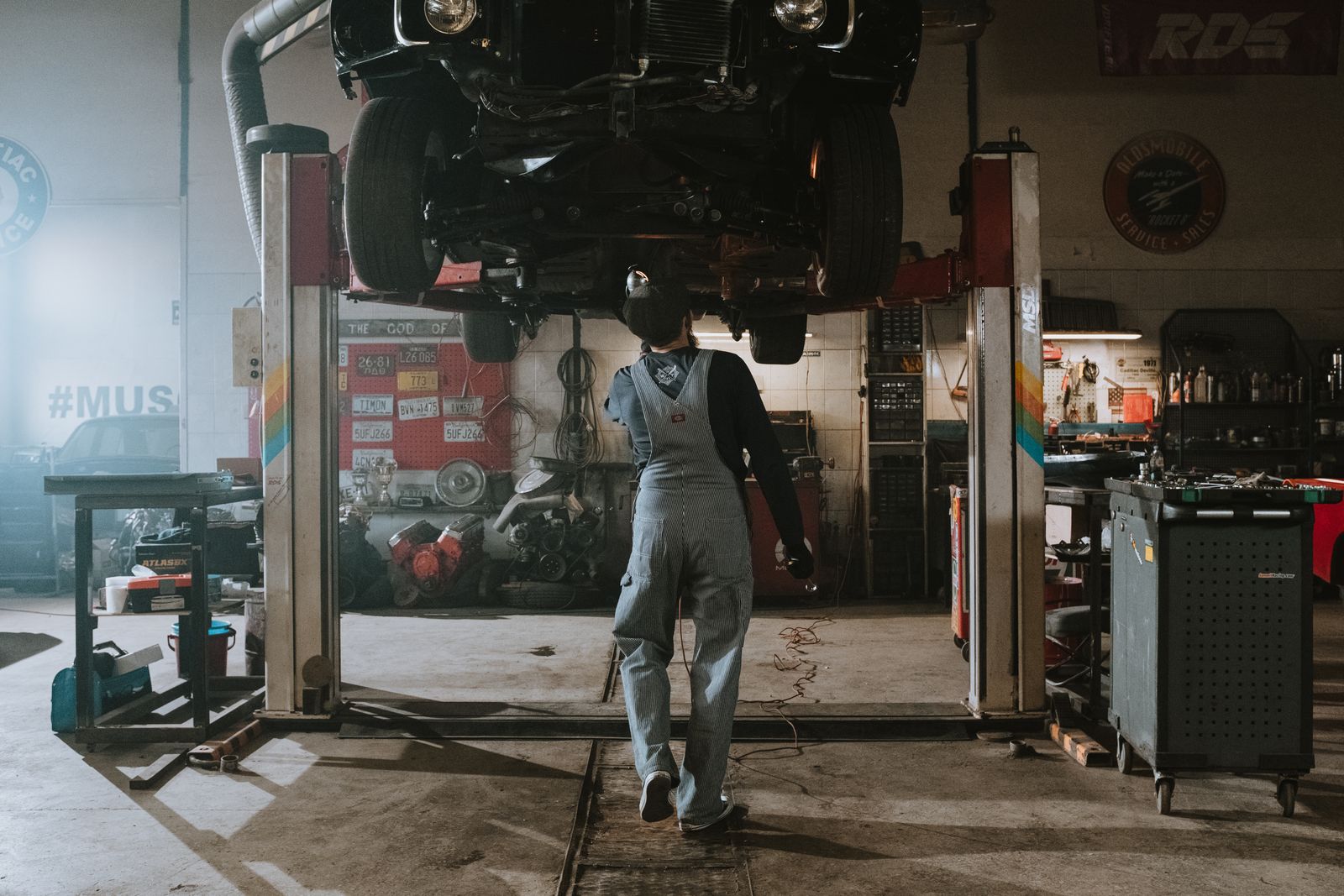
The 50,000-mile conversation, handled honestly
Many original shocks and struts have lost meaningful control by around 50,000 miles, which is why shops raise the topic there. Treat the number as a prompt to test, not an automatic purchase order. Cars driven gently on smooth roads can test well past it. Cars that carry loads, tow, or live on rough pavement around Cleveland County can be ready earlier. The test, the tires, and the handling together make the call.
If replacement is the decision, parts come in assembled strut units for many models, which include the spring and mount and restore the whole corner at once, or as bare dampers that reuse your springs. Assembled units cost more in parts and less in labor and guesswork. Either route should end with an alignment on strut-equipped cars, because the geometry was disturbed.
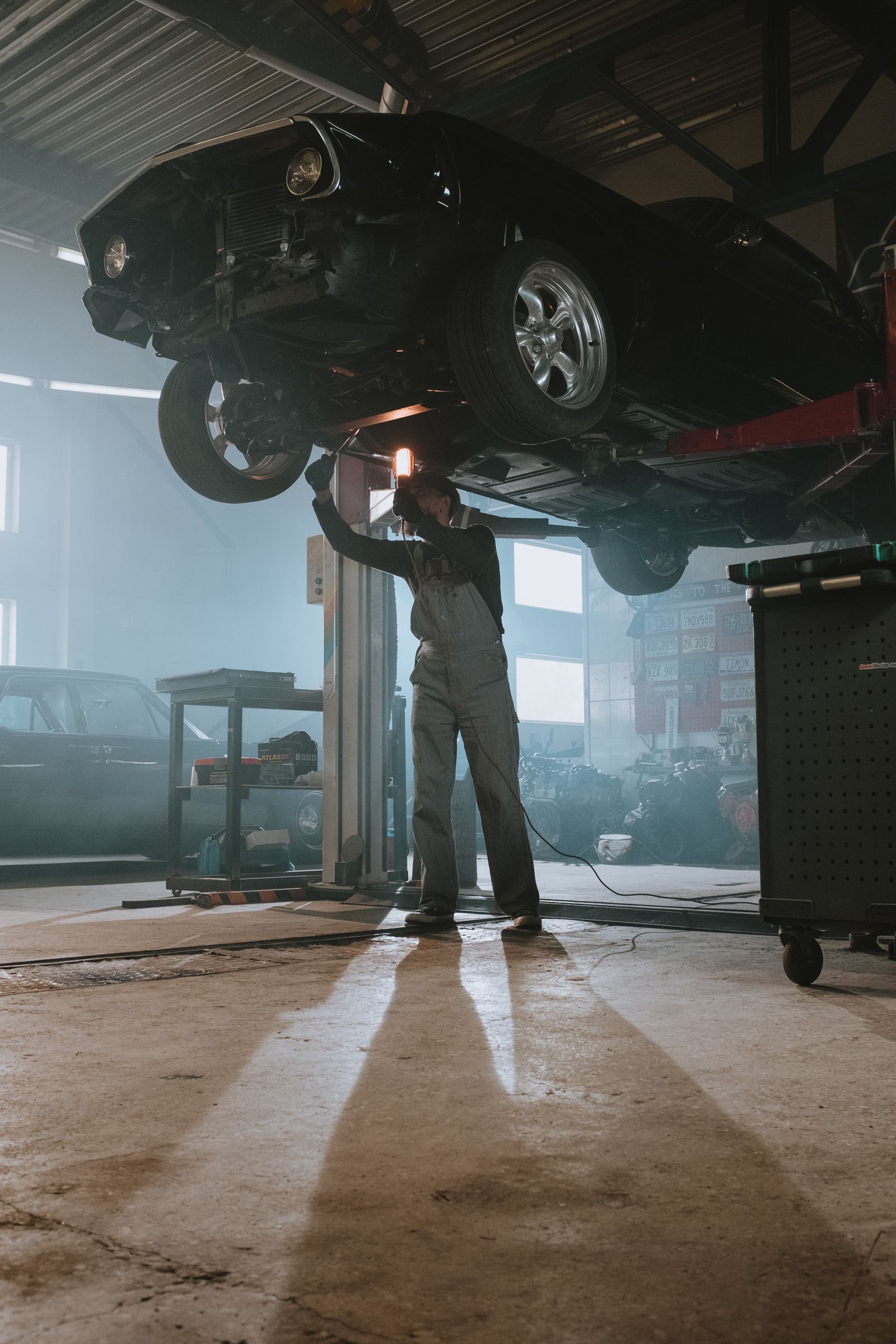
What waiting changes
Deferring sound dampers costs in three places. Tires cup and wear out early. Braking grows less stable as weight transfer gets sloppy, most noticeably in wet, sudden stops. And neighboring parts, including mounts, links, and bushings, absorb work the dampers should have handled. Monitoring is a valid choice when wear is mild and documented. Ignoring is not monitoring. Put a date on the recheck, and note it where your service records live.
In Shelby, Inspection Uptown 66 handles auto repair and oil changes together, so a damper check can ride along with routine service and the alignment question can be answered on the spot. Bring your observations with you. The corner that bounces in your driveway is the first clue the technician will want.
Common questions
Can I replace just one shock or strut?
Replace by axle at minimum. A new damper beside a worn one makes the car uneven, and the worn side is the same age and close behind.
Do I always need an alignment after struts?
On most strut suspensions, yes, because removal disturbs the settings. Skipping it can wear new tires unevenly and undo the benefit of the work.
How do I know it is not just my tires?
Rotate the tires and see whether the symptom moves with them. Vibration or noise that follows a tire points to the tire; bounce and dive that stay put point to dampers.
Photos in this guide are representative stock images.
← All guides from Inspection Uptown 66← Back to Inspection Uptown 66