Used-car shopping in Shelby runs on claims. The seller says it was highway driven and dealer maintained. A friend says a quick look and a code scan are plenty. Someone else says every used car is a gamble no matter what you do. The pre-purchase inspection exists to sort those claims into true, false, and it-depends, with measurements instead of opinions.
This piece takes the common claims one by one. Some hold up. Some fall apart the moment a car goes on a lift.
Sorting the claims
| Common claim | Verdict | Why |
|---|---|---|
| A clean history report means the car is sound | False | Reports show reported events. Unreported repairs, skipped maintenance, and current wear never appear on them |
| If it drives well, it is well | It depends | A test drive reveals feel, not pad thickness, fluid condition, stored codes, or rust under covers |
| A scanner check is the whole inspection | False | Scans catch electronic faults and cleared codes, but not leaks, worn brakes, tired suspension, or crash repairs |
| Low miles means low wear | It depends | Short-trip, low-mile cars age rubber, exhaust, and fluids by time and moisture, not miles |
| The inspection can guarantee a good car | False | No inspection sees inside sealed assemblies or predicts every failure. It measures current condition and risk |
| One owner means better maintenance | It depends | Ownership count is not a record. Dated receipts and fluid condition prove maintenance; badges do not |
| A seller refusing inspection is a red flag | True | Honest sellers expect a lift check. Refusal removes your only independent evidence before purchase |
What the lift actually proves
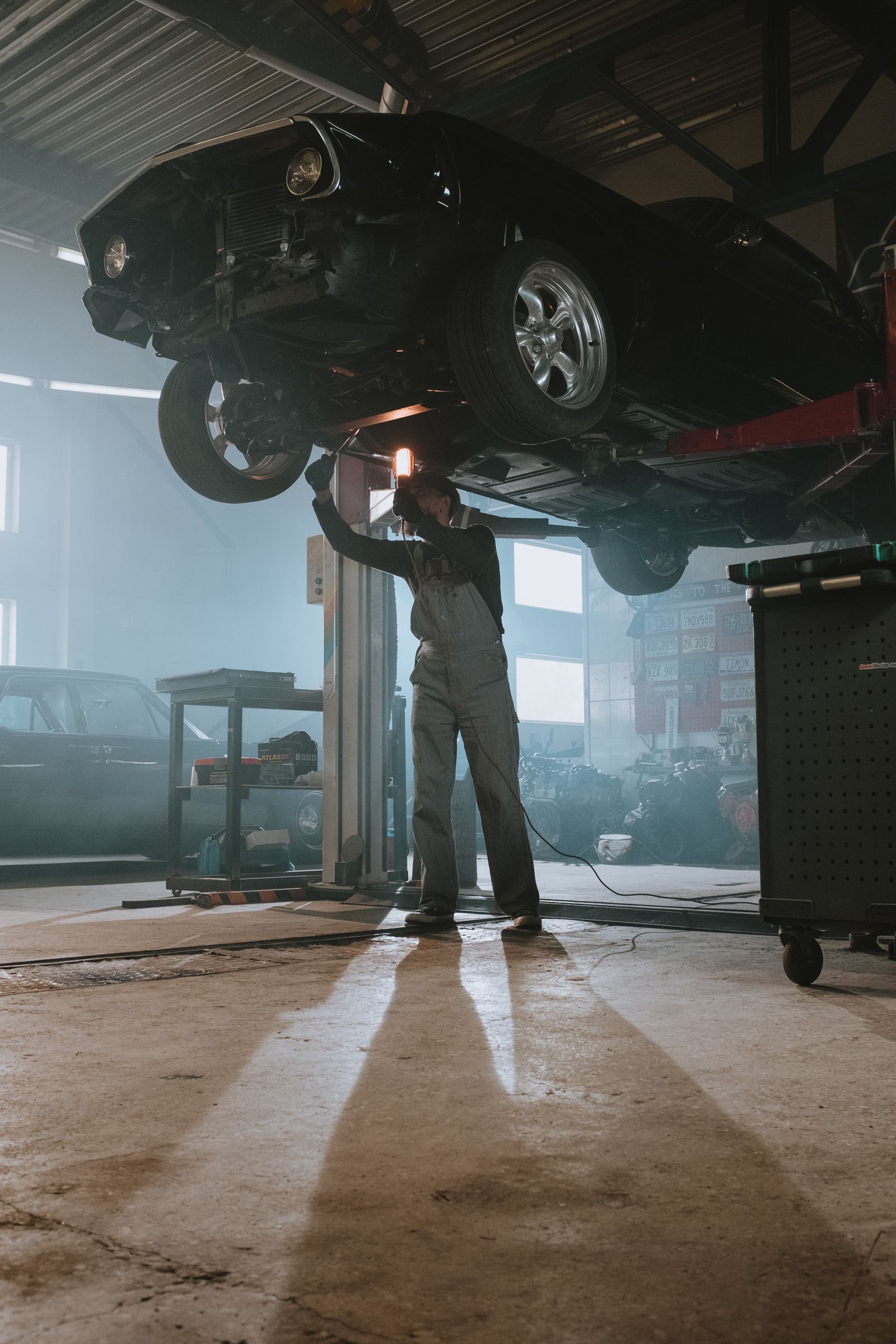
Underneath, the stories end. Fresh undercoating over rust, a transmission pan that has clearly been off recently, mismatched hardware from a hurried repair, and seepage at seals all read plainly to a technician who looks at cars this way every week. Brake measurements are numbers, not impressions. Tire date codes reveal a set that looks new but is old enough to be hard and cracked.
The scan still matters, for a different reason. Readiness monitors that have not completed since codes were cleared suggest someone reset the system shortly before the sale. That single finding reframes every other claim the seller made, and it costs nothing more than the scan the car was getting anyway.
What the inspection cannot do
Fact, stated plainly: an inspection measures the car as it sits today. It cannot hear a bearing that will fail in twenty thousand miles, and it cannot open a sealed automatic transmission to grade its clutches. Sellers who claim a car is guaranteed and buyers who expect a guarantee are both asking the process to be something it is not.
What it can do is remove the large, knowable risks: existing damage, active leaks, worn safety items, deferred maintenance you would inherit, and evidence of a hard life the listing forgot to mention. In Shelby, that is most of the money in used-car buying. The remaining uncertainty is the normal uncertainty of owning any machine.
Using the verdicts at the negotiating table
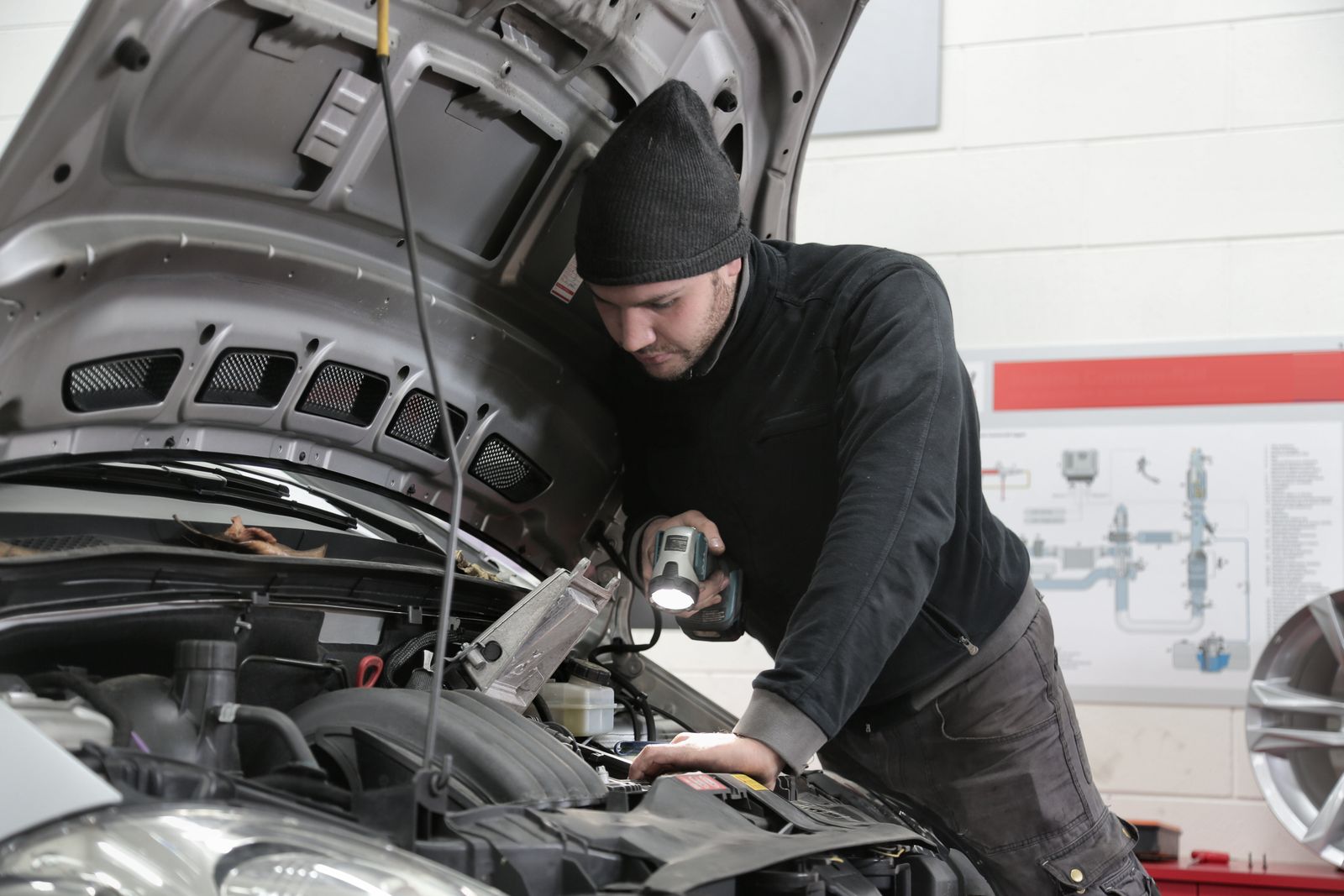
Buy the car whose claims survive inspection, even if its price is not the lowest on the lot. Budget the findings the report calls maintenance, negotiate the ones it calls repairs, and walk away from the findings it calls structural or hidden. At Inspection Uptown 66 in Shelby, inspections and auto repair happen under the same roof, so the report you negotiate with can become the work plan for the car you buy, with the same measurements carried over.
Bring the report home either way. On a car you pass up, it is a record of what your money avoided. On a car you buy, it is the first page of its service history with you.
Keep the inspection report even when the verdicts favor the seller and you buy the car with confidence. Those measurements become your baseline. A year later, when a shop reports brake wear or a small leak, you can compare against the purchase-day numbers and tell normal wear from a new problem without guessing.
Common questions
Is a pre-purchase inspection worth it on an inexpensive car?
Arguably more so. A major hidden repair can exceed the value of a cheap car entirely, so the inspection is what keeps a bargain from becoming a loss.
Can I just bring a knowledgeable friend instead?
A friend helps with the test drive, but without a lift, a scanner, and measurement tools, the biggest risks stay hidden. Use the friend plus the inspection.
What is the most common surprise inspections find?
Deferred maintenance and early leaks lead the list, followed by tires that are older than they look. None of them show from the driver seat.
Photos in this guide are representative stock images.
← All guides from Inspection Uptown 66← Back to Inspection Uptown 66